The Holiday Season is a time of joy and merriment. Most of us look forward to these special days of the year. It’s the end of the year, and we ought to celebrate the fruits of our labor and share it with ones we hold dear. These blues can be especially overwhelming during a time of change. Christmas and New Year’s Eve often present challenging demands.

But why is it that during the holiday season, some people develop anxiety and sadness? Why is it that a joyous occasion such as Christmas and New Year bring about sadness and a sense of uneasiness? Several reasons could be thought of. This may be brought about by the anticipation of this once-a-year much-awaited season, long preparations for the festivities, choosing special gifts for loved ones, attending numerous parties right and left, and planning how to celebrate this.
On the other hand, the merrymaking may remind us of the loss of a loved one, especially when this happened during this season. The season may also remind us of bad memories of the season, hence it becomes a reason to feel depressed or anxious. Not being able to go home to your loved ones can trigger holiday blues. Going through personal circumstances like financial constraints is another one. When someone is going through rough times, it is difficult to see others celebrate.
All these may cause pressure. Though we may not consider it stressful, in truth, it is.
How does holiday blues present?
The most common symptom of the holiday blues is amplified depression. This is true of people who may or may not be dealing with depression already.
People with holiday blues may experience tiredness more than usual. They may feel tense and have difficulty relaxing. With all the hustle and bustle, they easily feel frustrated. They become more irritable than before. Their patience runs short. Instead of excitement, they feel sad and lonely.

What to do to manage holiday blues?
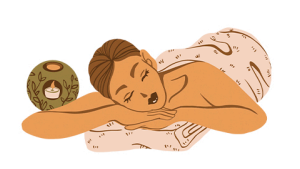
The following are practical tips on how to address holiday blues: